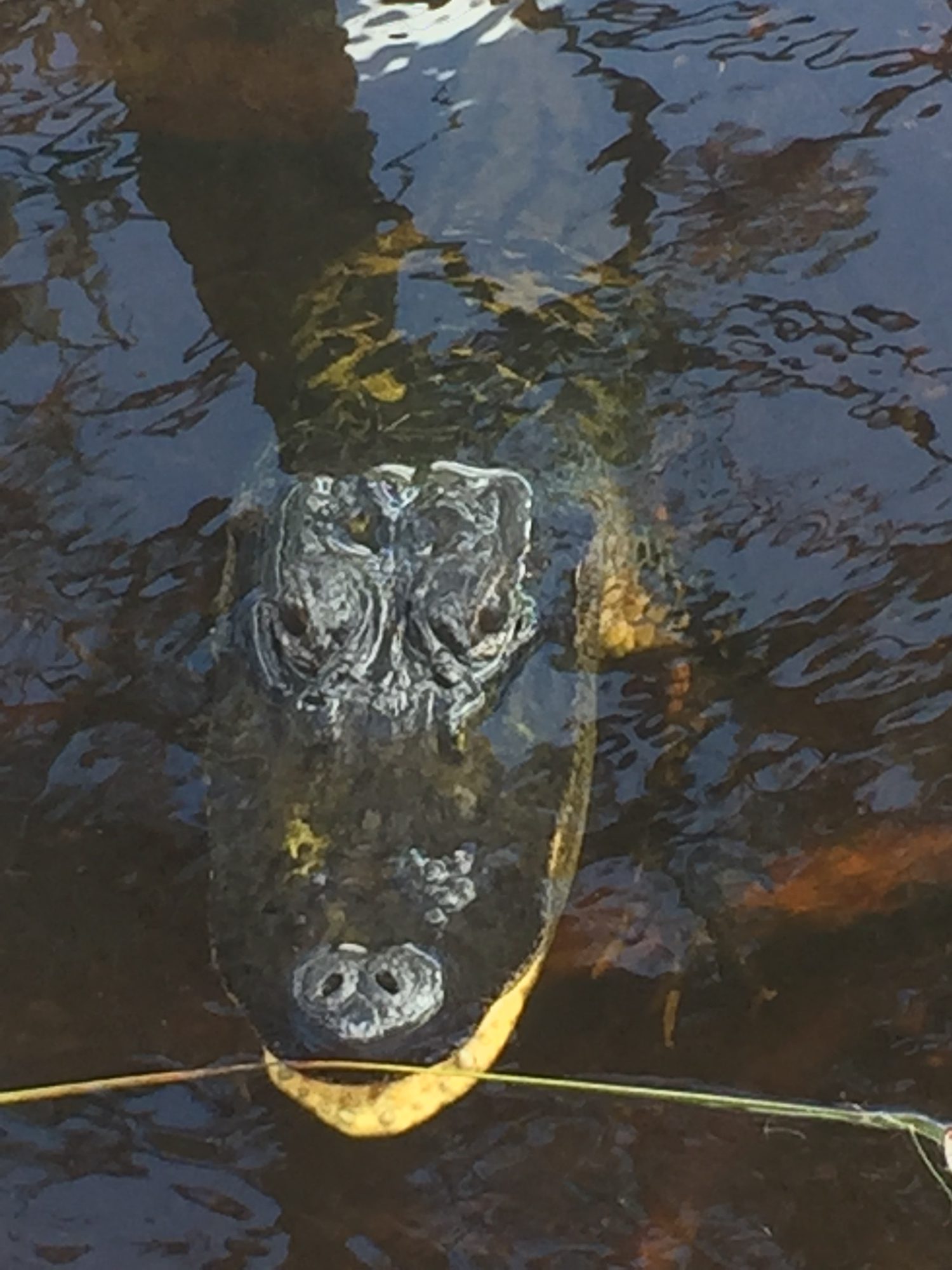
Where to See Alligators in South Florida (Guaranteed Sightings)
Exactly where to see alligators in South Florida in the wild — the best spots, the safest way to get close, seasonal tips, and why an airboat tour is the surest bet.
 “Text or call me and I’ll get you out on the water — I can’t wait to see you out in the swamp!”— Captain Billy, owner & native Everglades guide
If you want to know where to see alligators in South Florida, the honest answer is: almost anywhere there is fresh water — but not all sightings are equal. A gator sunning on a golf course is a photo; a ten-footer gliding past your boat in the open marsh is a memory. South Florida is home to well over a million American alligators, so the question is never really whether you will see one — it is whether you will see them safely, in the wild, and close enough to remember for the rest of your life. Here is a local's guide to the best places, ranked by how good the experience actually is, with the surest bet saved for the top.
We have spent years on this water, and we can tell you the difference between the places tourists stumble onto gators and the places you can reliably watch them behave naturally. Both matter. This guide covers both, plus the seasonal and daily timing that turns a maybe into a near-guarantee, and the safety rules that keep everyone — including the gators — out of trouble. Here is a fact that reframes the whole search: alligators live in all 67 Florida counties, and South Florida sits at the dense heart of their range. You are almost never more than a few minutes from one. So the goal of this guide is not to help you find a single gator — that is easy — but to help you find them in numbers, in the wild, in beautiful surroundings, and safely close enough to truly appreciate one of the great survivor species on the planet.
“Text or call me and I’ll get you out on the water — I can’t wait to see you out in the swamp!”— Captain Billy, owner & native Everglades guide1. On an Everglades Airboat Tour (Guaranteed & Up Close)
The number one way to see alligators in South Florida is from an airboat in the Everglades. Nowhere else concentrates them like the River of Grass, and a captain who knows the water can put you on wild gators nearly every trip. An Everglades airboat tour with Aces uses small boats, so you get close, quiet and personal — not stuck on a crowded barge. Our captains read the water and the season to find basking gators, mothers with hatchlings and big territorial bulls.
Because an airboat has no underwater propeller and skims over inches of water, it reaches the backwater sloughs and gator holes where the animals actually gather. If a guaranteed, up-close sighting is the goal, this is the must-do — and it is the safest way to get near a wild alligator, because a trained captain controls the distance.
2. Everglades National Park (Anhinga Trail)
The Anhinga Trail at Royal Palm is famous for dry-season gator sightings from an elevated boardwalk — you will often see dozens in winter, along with turtles, fish and wading birds. It is a great free option and very family-friendly, though you are viewing from a fixed path rather than out on the water where the action is. Go early and in the dry season for the biggest numbers.
3. Shark Valley
Off the Tamiami Trail, Shark Valley's 15-mile tram loop and paved bike path run alongside a canal packed with alligators, especially in the dry season. Rent a bike or ride the narrated tram out to the observation tower for sweeping marsh views. In winter the gators line the path in remarkable numbers — one of the most reliable free gator-viewing spots in the state.
4. Loxahatchee National Wildlife Refuge
In western Palm Beach County, this refuge protects the northern Everglades. Its boardwalks, marsh trails and canoe routes are reliable gator territory and a favorite of local birders and photographers. Quieter than the national-park hotspots, it is a good pick if you want wildlife without the crowds.
5. Local Canals, Lakes and Golf Courses
Honestly, alligators turn up all over suburban South Florida — retention ponds, canals, lakeside parks and golf-course water hazards. You will likely spot one without trying. But please keep your distance, never feed them, and remember a wild-habitat sighting on a nature tour is both safer and far more rewarding than watching one loiter at the edge of a parking lot.
When Are Alligators Easiest to Spot?
Two rules govern gator sightings. First, season: the dry season (December to April) draws gators into shrinking water holes where they are easy to find, and cooler weather sends them out to bask in the open. Second, time of day: mornings and warm afternoons are best, when cold-blooded gators haul out to warm up. A cool winter morning after a warm-up is prime alligator weather — you will find them stacked on every sunny bank. In summer, ride early before the heat and storms.
A Little Alligator Biology (So You Know What You Are Seeing)
American alligators are apex predators and a conservation success story — hunted nearly to extinction, they rebounded so well they were removed from the endangered list. They can live 35 to 50 years in the wild and grow to 13 feet or more. They are ectothermic, so they bask to regulate temperature, which is exactly why timing your visit around cool mornings pays off. In spring you may hear big males bellow, a deep rumble you feel in your chest, and in late summer you might spot a mother guarding a nest or a raft of striped hatchlings. A good captain will point all of it out.
Why Wild Sightings Beat a Gator Farm
South Florida is dotted with gator farms and roadside parks where you can see alligators behind fences, but it is a hollow version of the real thing. On the open marsh you watch gators do what they actually do — bask, hunt, court and raise hatchlings — on their own terms and in their own habitat. That authenticity is the whole point. Aces runs small boats so the group stays intimate and everyone gets a genuine front-row seat, and our captains grew up reading this water. Browse the photo gallery to see the kind of wild encounters guests bring home, or read the reviews to hear how close it really gets.
How to See Alligators Safely
- Never feed a wild alligator — it is illegal and dangerous, and it is what turns a shy gator into a problem animal.
- Keep at least 15 feet of distance on foot.
- Keep pets leashed and well away from the water's edge — dogs look like prey.
- Give mothers with hatchlings a wide berth in summer; females are protective.
- Never swim in fresh water at dawn or dusk, when gators feed.
- On an airboat, always follow your captain's instructions — they know exactly how close is safe.
The Bottom Line
You can hunt for gators on your own along a canal, or you can guarantee the experience with someone who does it every day. For close, safe, wild sightings, an Everglades airboat tour is the surest thing to do in South Florida. Book a morning slot in the dry season for the best odds, and reserve direct with a local crew. Text or call Captain Billy at 561-660-2419 to book.
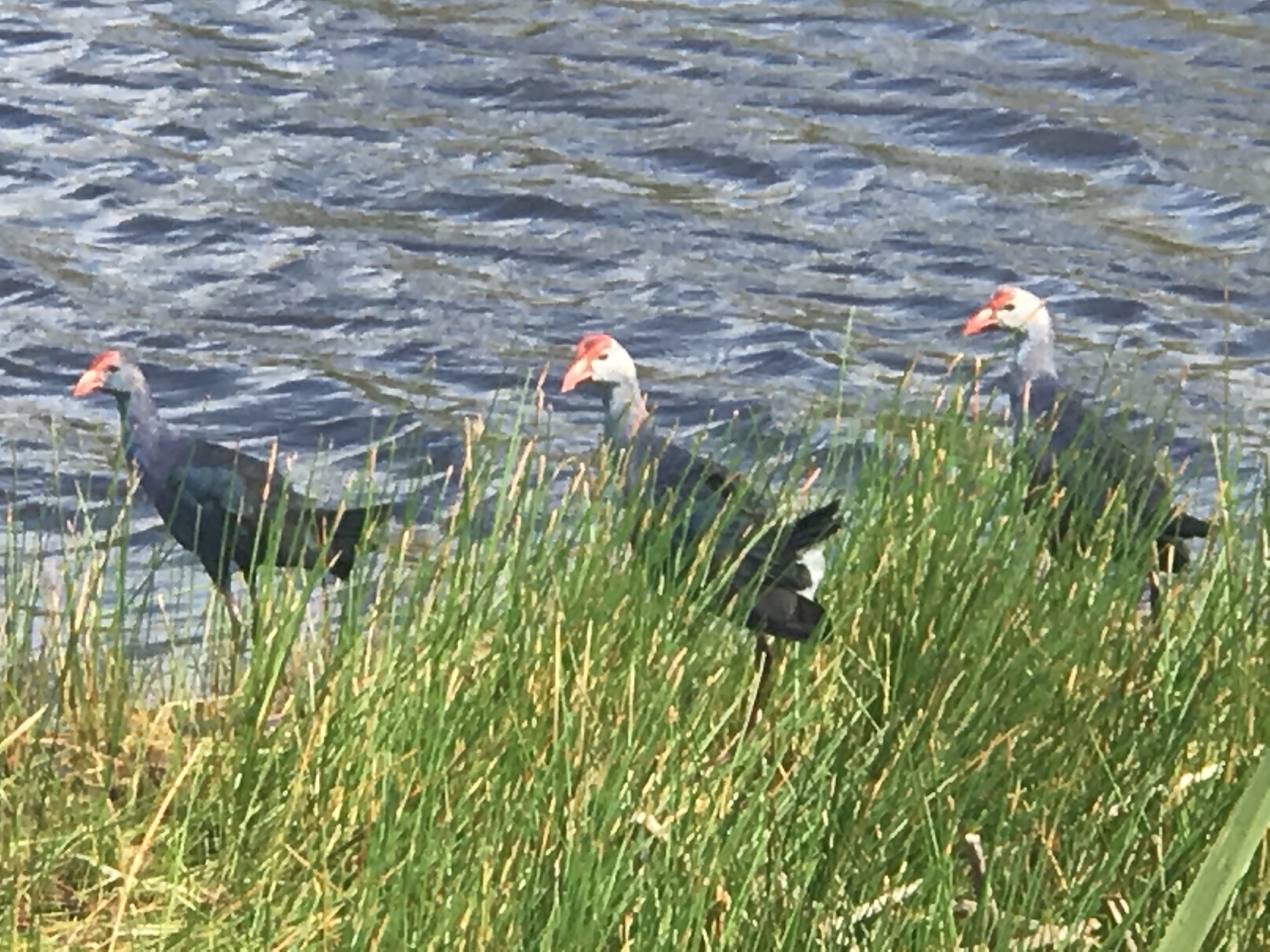
Alligators vs. Crocodiles: Yes, South Florida Has Both
Here is a fact that surprises visitors: South Florida is the only place on Earth where alligators and crocodiles live side by side. American alligators are the dark, broad-snouted reptiles you will see throughout the freshwater Everglades — that is what you are watching on an airboat. American crocodiles are grayer, narrower-snouted and prefer the brackish and saltwater mangroves near the coast and Florida Bay; they are rarer and more reclusive. On a freshwater marsh tour you will see alligators, sometimes by the dozen. Spotting a wild crocodile is a rarer treat reserved for the coastal fringes.
What to Do If You Encounter a Gator on Land
Suburban South Florida means occasional gator encounters on golf courses, in canals or crossing a road, especially in spring when males roam looking for mates. The rules are simple: keep your distance (at least 15 feet), never feed or approach it, keep pets and small children well back, and give it space to move along — gators generally want nothing to do with people. If a gator is genuinely blocking a path or appears aggressive, call the state's nuisance-alligator hotline rather than dealing with it yourself. Fed gators lose their fear of humans and become dangerous, which is why feeding is both illegal and irresponsible.
Best Spots by County
- Miami-Dade: Shark Valley and the Anhinga Trail for free viewing; the Tamiami Trail launches for airboat tours.
- Broward: The western edge of the county along US-27 and Alligator Alley — the closest wild gator country to Fort Lauderdale, and where an airboat tour shines.
- Palm Beach: Loxahatchee National Wildlife Refuge for boardwalks and canoe trails through the northern Everglades.
Wherever you are in South Florida, wild alligators are close. The surest, safest way to see them up close remains a guided ride with a captain who does it every day.
How to Photograph Wild Alligators
A wild gator makes a spectacular photo if you work with the light and the boat. Shoot in the soft light of early morning or late afternoon, get low to the water for a dramatic eye-level angle — which a small airboat naturally allows — and use a zoom so you never crowd the animal. A polarizing filter cuts glare and reveals detail below the surface. Keep your shutter speed up for a sudden movement, and always let the captain position the boat rather than reaching or leaning. The best shots come from patience and a good approach, not from getting dangerously close.
Common Myths About Alligators
A few myths worth busting. Alligators are not mindless man-eaters; they are shy, prefer to avoid people, and attacks are extremely rare. They cannot outrun you over distance on land — the myth of running in a zigzag is nonsense, though you should simply never be close enough to test it. They do not roar like a lion, but males do bellow a deep, resonant rumble in spring. And they are not slow: a resting gator can lunge with startling speed over a very short range, which is exactly why the 15-foot rule matters. Respect them, keep your distance, and enjoy the show.
Plan Your Wild Gator Encounter
The bottom line stands: for close, safe, wild sightings, nothing beats getting on the water with a captain who finds gators every day. Pick a morning slot in the dry season for the best odds, bring a camera, and let an Aces captain read the marsh for you. Book your Everglades airboat tour direct by calling 561-660-2419 and see South Florida's most famous resident where it truly belongs.
Frequently Asked Questions
Where is the best place to see alligators in South Florida?
On an Everglades airboat tour, where wild gators concentrate and an experienced captain can put you close nearly every trip. Book direct at 561-660-2419.
Are alligator sightings guaranteed on an airboat tour?
They are wild animals, but sightings are extremely common year-round because our captains know exactly where they gather. The dry season makes them even easier to find.
When is the best time to see alligators in the Everglades?
The dry season (December to April), in the morning or on a warm afternoon, when gators bask in the open and gather around remaining water.
Is it safe to see alligators up close?
Yes, on a guided nature tour where the captain controls the distance. On foot, keep at least 15 feet away and never feed them.
Can you see alligators for free in South Florida?
Yes — Shark Valley, the Anhinga Trail and many local canals and parks offer free wild sightings. For guaranteed, up-close views on the water, an airboat tour is the surest bet.
How big do alligators get in the Everglades?
Adult males commonly reach 10 to 13 feet and can live several decades. On a tour you will often see a range of sizes, from striped hatchlings to large territorial bulls.
“Text or call me and I’ll get you out on the water — I can’t wait to see you out in the swamp!”— Captain Billy, owner & native Everglades guide