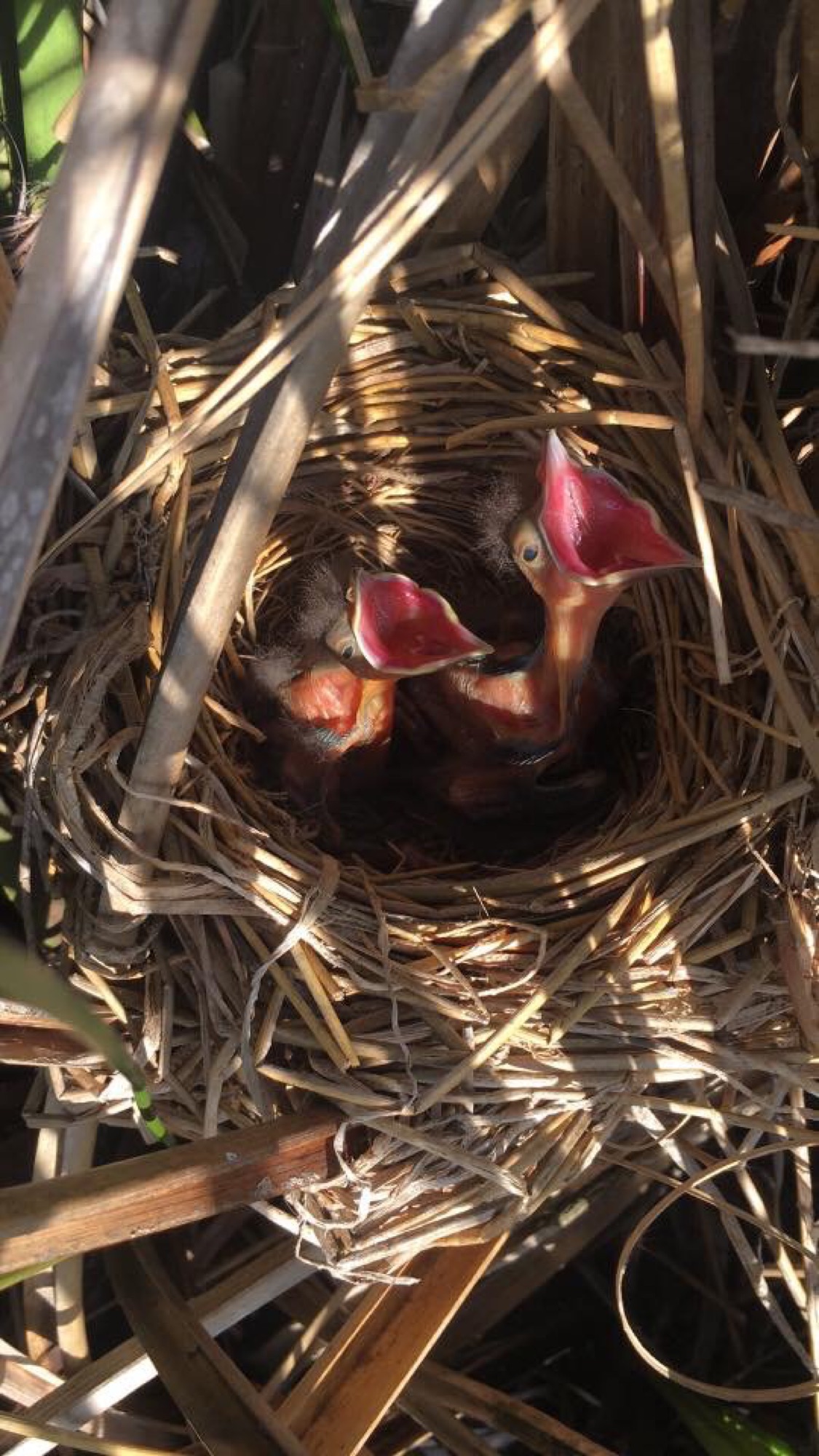
5 Must-See Birds on an Everglades Bird-Watching Tour
The 5 must-see Everglades birds to see on a bird-watching airboat tour — how to spot them, when they show, and why the marsh is one of America's great birding destinations.
 “Text or call me and I’ll get you out on the water — I can’t wait to see you out in the swamp!”— Captain Billy, owner & native Everglades guide
The Everglades is one of the great birding destinations on Earth, and the list of Everglades birds to see runs into the hundreds. But if you only have one morning on the water, a handful of species deliver the wow. The Everglades is a designated Important Bird Area and a critical stop on the Atlantic Flyway, so even a single morning on the water can hand a casual birder several life-list species without much effort. Here are the 5 must-see birds on an Everglades bird-watching tour — what they look like, when they show, and how to spot them from an airboat.
A note from the crew: birds do not perform on command, but they are remarkably predictable if you know the season, the time of day and the spots they favor. That is exactly what a local captain brings to a bird trip. Below are the five species most guests hope to see, the supporting cast worth knowing, and the practical tips that turn a scenic ride into a genuine birding safari. Even if you have never picked up a pair of binoculars, the Everglades tends to convert people — the birds here are big, bold and dramatic, wading through open shallows in plain view rather than flitting through distant treetops. That accessibility is what makes the marsh such a rewarding place to start, and what keeps serious birders coming back season after season to add to their lists.
“Text or call me and I’ll get you out on the water — I can’t wait to see you out in the swamp!”— Captain Billy, owner & native Everglades guideWhy the Everglades Is a Birder's Paradise
The River of Grass is a massive, shallow, fish-rich wetland — a buffet for wading and fishing birds. In the dry season, as water levels drop, birds concentrate around the remaining pools in spectacular numbers, and the winter brings migratory species down from the north. An airboat lets you reach the quiet backwaters and rookery edges where they feed and nest, which is why a bird-watching airboat tour is the surest way to see the greatest variety in a single trip. This ecosystem is also a conservation landmark: the plume-hunting slaughter of these very birds a century ago helped launch the American conservation movement.
1. The Roseate Spoonbill
The bird everyone wants. Shocking pink plumage and a flat, spoon-shaped bill it swishes side to side through the shallows to feed, filtering out small fish and shrimp. Spoonbills are the crown jewel of an Everglades bird-watching trip — spot one and the whole tour is made. They are most reliable in the dry season around feeding pools, often in small groups. First-timers frequently mistake them for flamingos; the spoonbill's namesake bill and paler pink give it away.
2. The Great Blue Heron
The largest heron in North America, standing four feet tall on stilt legs, motionless in the shallows until it spears a fish with a lightning strike. Elegant, unmistakable and common year-round. You will almost certainly see one, and watching it hunt — that slow stalk and sudden jab — is a highlight on any ride. Its smaller white cousin, the great egret, often feeds nearby.
3. The Great Egret & Snowy Egret
Brilliant white plumes that once nearly drove these birds to extinction during the feather-trade era — the reason the Audubon movement was born here in Florida. Great egrets are tall and stately with a yellow bill; the smaller snowy egret has a black bill and bright yellow feet it uses to stir up prey in the shallows. Both are marsh regulars and a beautiful sight against the green sawgrass, especially in breeding season when their plumes are at their fullest.
4. The Anhinga
Nicknamed the snakebird, the anhinga swims with only its long, S-curved neck above water, spears fish with a dagger bill, then perches with wings spread wide to dry — it lacks the waterproofing other water birds have. Watching one dry its wings on a snag, backlit by the morning sun, is a classic Everglades image and a favorite of photographers. They are common and easy to approach on a quiet boat.
5. The Osprey
The fish hawk. Ospreys hover over open water, then plunge feet-first to snatch a fish in a dramatic strike, carrying it head-first back to a perch. Look for their big stick nests atop poles, snags and channel markers, and scan the sky over open water. A successful dive is one of the best action moments on any ride — and a reliable one, since ospreys hunt throughout the day.
Bonus Birds to Watch For
Keep your eyes open for the wood stork (the only stork native to North America, with a distinctive bald gray head), the purple gallinule with its impossibly colorful plumage and long yellow toes, the tricolored and little blue herons, the white ibis probing the mud with its curved red bill, and in winter, huge mixed flocks and the occasional bald eagle. Migratory season also brings ducks, warblers and raptors. A nature tour with a knowledgeable captain turns a scenic ride into a genuine wildlife safari, with alligators and turtles rounding out the sightings.
Why an Airboat Is the Best Way to Bird
You can bird the Everglades from a boardwalk, but you are limited to whatever happens to be near the path. An airboat reaches the quiet backwaters, gator holes and rookery edges where the birds actually gather — and because Aces runs small boats, you can slow down and drift close without spooking a whole flock. Our captains grew up on this marsh and know where the spoonbills feed and the ospreys nest by season. It turns a hopeful walk into a reliable safari. Browse the photo gallery to see the species guests have captured, or read the reviews from birders who have ridden with us.
Tips for the Best Bird-Watching
- Go at sunrise — birds feed hardest in the cool early morning and the light is soft for photos.
- Visit in the dry season (December to April) when birds concentrate around shrinking pools and migratory species arrive.
- Bring binoculars and a zoom lens; a small boat gets you close, but birds keep a buffer.
- Wear muted colors and keep movements slow to avoid flushing skittish birds.
- Ask your captain — ours know the rookeries and feeding spots by heart.
Whether you are chasing a life list or just want to see a wild spoonbill once, an Everglades bird-watching tour is the surest way to do it. Ready to build your list? Call Aces at 561-660-2419 to book direct.
A Birding Calendar for the Everglades
Timing shapes your list. Winter (December to March) is the peak: resident waders concentrate around low water and migratory ducks, warblers, raptors and shorebirds pour in from the north, swelling the count. Spring brings breeding plumage at its most spectacular and the start of nesting at the rookeries. Summer is nesting and fledging season — fewer species overall but wonderful behavior, with adults feeding young. Fall is the quiet shoulder, with early migrants returning. For sheer numbers and variety, plan a winter or early-spring sunrise ride.
Gear and Etiquette for Bird Photography
A few habits separate great bird shots from missed ones. Bring a zoom lens (300mm or more helps) and a polarizing filter to cut glare off the water, and use a strap so gear stays secure during the fast runs. Shoot in the soft light of early morning, keep your movements slow and quiet so you do not flush the flock, and wear muted colors. Most of all, let the captain position the boat — a good approach angle and a slow drift get you far closer than chasing ever will. Our bird-watching tours are built around exactly that patient approach.
Beyond Birds: The Full Cast
A bird trip in the Everglades is never just birds. The same quiet backwaters that hold spoonbills and herons also hold wild alligators basking on the banks, turtles stacked on logs, and if you are lucky, a river otter or a raccoon working the shoreline. That mix is what makes a nature tour so rewarding — you come for the birds and leave having seen the whole ecosystem in motion. Bring patience and a full memory card.
Conservation and Why It Matters
These birds carry real history. The Everglades' wading birds were slaughtered by the millions in the late 1800s for their plumes, which decorated fashionable hats — a crisis that helped launch the Audubon Society and the American conservation movement. Populations have recovered but remain sensitive to water management and habitat loss. Seeing them thrive on a responsible, low-impact airboat tour is a small way to connect with that story. Keep your distance, never feed wildlife, and let the marsh stay wild for the next generation of birders.
Where the Birds Gather in the Marsh
Knowing where to look is half the battle. Wading birds concentrate in the shallow sloughs and around gator holes, where trapped fish make easy meals as the water drops. Anhingas and cormorants favor snags and low branches over open water for drying and perching. Ospreys nest on tall poles, dead trees and channel markers with a clear view of the water. Rookeries — communal nesting islands of trees ringed by protective alligators — erupt with activity in breeding season. A local captain knows these micro-spots and works the boat to them, which is the whole advantage of a guided airboat tour over wandering a boardwalk.
Bringing Kids on a Bird Tour
Birding with kids works beautifully in the Everglades because it is never just birds. Between spoonbills and herons there are wild alligators, turtles and the thrill of the ride itself, so young attention spans stay engaged. Give each kid a cheap pair of binoculars and a simple checklist of the five must-see birds, and turn it into a scavenger hunt. The small-boat format keeps the group together and lets the captain point out each bird by name. It is the kind of outing that turns a child into a lifelong nature lover.
Start Your Everglades Bird List
From the pink flash of a spoonbill to the plunge of an osprey, the Everglades hands you a remarkable list in a single morning. Ride at sunrise in the dry season for the biggest show, bring binoculars and patience, and let a local captain put you where the birds are. Book your Everglades bird-watching tour direct by calling 561-660-2419 and see why this marsh is one of America's great birding destinations. Whether you tick off all five must-see species in a single morning or simply fall for the sight of a great blue heron stalking the shallows, you will leave understanding why generations of naturalists have fought to protect this extraordinary place.
Frequently Asked Questions
What birds will I see on an Everglades bird-watching tour?
Commonly roseate spoonbills, great blue herons, egrets, anhingas and ospreys, with wood storks, ibis and gallinules as bonuses. Book a bird-watching airboat tour at 561-660-2419.
What is the rarest bird in the Everglades to see?
The roseate spoonbill is the most sought-after for its bright pink color, and the wood stork is a notable native. Both are most visible in the dry season.
When is the best time for bird-watching in the Everglades?
The dry season (December to April), at sunrise, when birds concentrate around remaining water and feed most actively. Our nature tours target these windows.
Do I need binoculars for an Everglades bird tour?
They help — a small airboat gets you close, but binoculars or a zoom lens let you enjoy the detail on distant wading birds and nesting ospreys.
How many bird species live in the Everglades?
The Everglades hosts more than 350 bird species across the year, including resident waders and large numbers of winter migrants — one reason it is a designated Important Bird Area.
Are spoonbills the same as flamingos?
No. Roseate spoonbills are pink but distinct, with a flat spoon-shaped bill and paler plumage. True flamingos are rare in the Everglades; the pink bird you see is almost always a spoonbill.
“Text or call me and I’ll get you out on the water — I can’t wait to see you out in the swamp!”— Captain Billy, owner & native Everglades guide