Best Everglades Fishing Spots & Species Guide
A native South Florida guide to the best Everglades fishing spots, the species you'll actually catch, seasons, techniques, and the fastest way into the backcountry — by airboat.
 “Text or call me and I’ll get you out on the water — I can’t wait to see you out in the swamp!”— Captain Billy, owner & native Everglades guide
The Everglades is one of the most productive freshwater fisheries in the country, and the best Everglades fishing spots are the ones most anglers never reach from a boat ramp. This complete guide covers where to go, what you'll catch, when to go, the techniques that work, and the fastest way into the wild heart of the River of Grass.
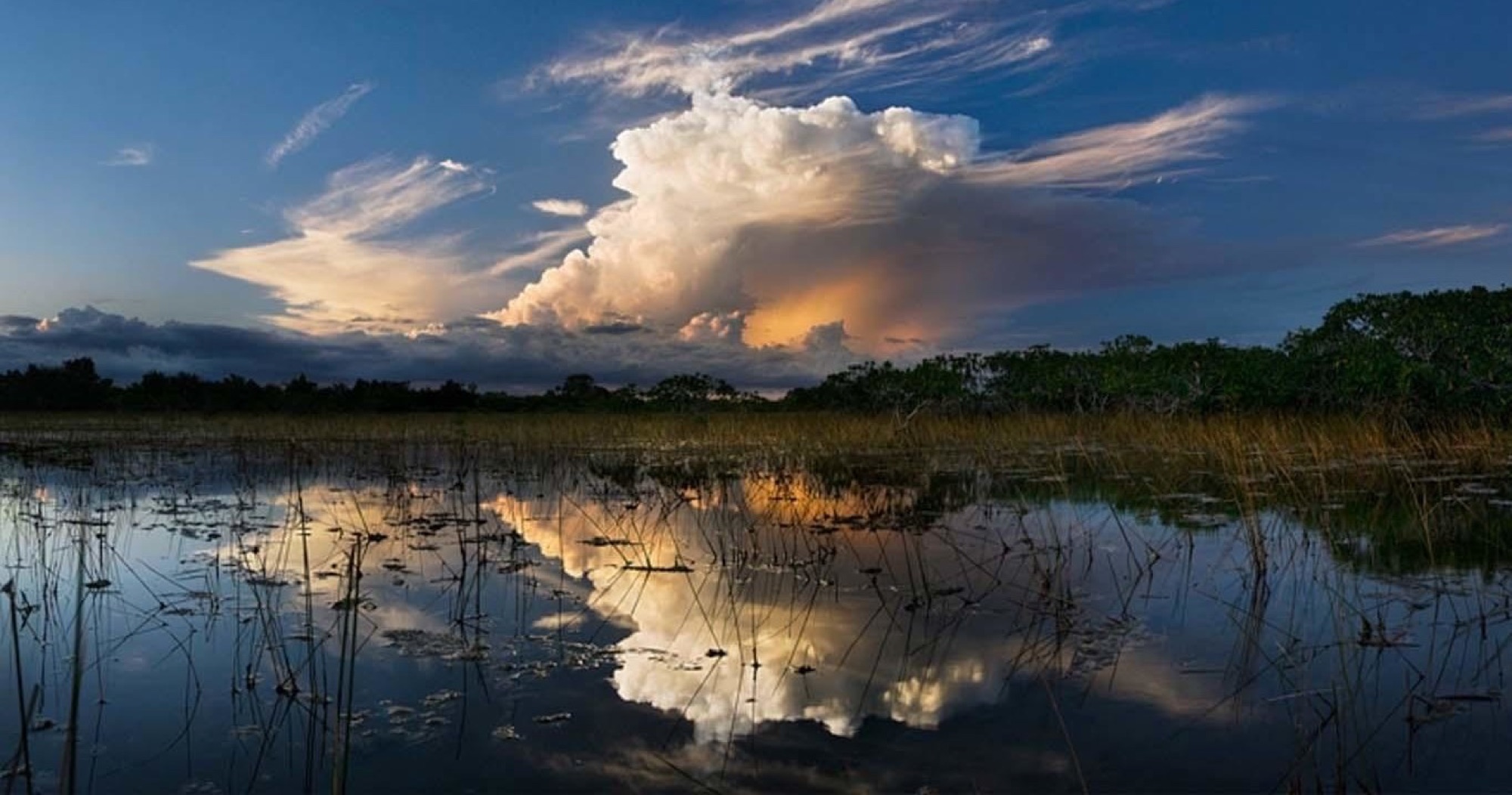
South Florida is ringed by famous saltwater flats, but step just inland and you enter a different world: a shallow sheet of freshwater sprawling across a million acres of sawgrass, cypress and mangrove. This is a living, breathing fishery shaped by wet and dry seasons, and once you understand how it works, the fishing becomes almost embarrassingly good. We've fished these waters our whole lives, and below we share the local knowledge that usually takes decades to earn.
“Text or call me and I’ll get you out on the water — I can’t wait to see you out in the swamp!”— Captain Billy, owner & native Everglades guideWhy the best Everglades fishing spots sit deep in the backcountry
Roadside canals get pounded by pressure. The real prizes hold in the shallow interior marsh, in remote gator holes, and along sawgrass edges you simply can't reach by conventional boat. That's why so many serious anglers book an Everglades fishing tour by airboat — a flat-bottom hull skims over water just inches deep and drops you exactly where the fish are stacked up. It's hands-down the best way to open water that's off-limits to everyone else, and it's the number-one must-do for any angler visiting the region.
Think of the Glades as a maze of subtle structure hidden in a flat green expanse. The fish relate to that structure just like bass relate to a laydown in a northern lake — you just have to know how to read it. A local captain does that reading for you, turning a featureless-looking marsh into a map of ambush points and travel lanes.
Top species you'll catch in the Everglades
The Glades hold a wild mix of native and exotic fish. Here are the ones that put a bend in your rod most often:
- Largemouth bass — the headliner; big Florida-strain bass ambush from grass edges and lily pads.
- Peacock bass — a hard-fighting, brightly colored exotic that hits topwater like a freight train.
- Bluegill & redear sunfish — fast action and perfect for kids and first-timers.
- Oscar & Mayan cichlid — feisty exotics that are everywhere and always willing.
- Bowfin & gar — prehistoric bruisers that will test your knots and your patience.
- Snook & tarpon — where the fresh water meets the brackish edges, hard-fighting saltwater royalty move in.
Largemouth bass: the king of the Glades
Florida-strain largemouth grow big in the Everglades' warm, fertile water, and they're catchable year-round. Look for them tucked against pad edges, in the mouths of culverts, and around any subtle deep pocket in the shallow marsh. Early and late in the day they push shallow to feed; in the heat they slide to the deepest water they can find. A weedless soft plastic or a topwater at first light is the classic Glades bass presentation, and there is nothing quite like a marsh sunrise interrupted by an explosive blow-up.
Peacock bass and the exotic fishery
Decades ago, peacock bass were stocked in South Florida's canals to control other exotics, and they've become a beloved gamefish in their own right. Aggressive, gorgeous, and hard-pulling, they hammer topwater lures and live shiners in the warmer months. Alongside them swim oscars, Mayan cichlids and other exotics that keep rods bent all day — perfect for keeping kids and newcomers hooked on the sport. This unique blend of native and exotic species is part of what makes the Everglades fishing spots here unlike anywhere else in the country.
The best Everglades fishing spots by water type
Rather than name exact GPS pins (they change with the season and water level), think in terms of structure. Gator holes — deep pockets that hold water in the dry season — concentrate fish and bait. Sawgrass edges where marsh meets open slough are prime ambush lanes for bass. Culverts and canal mouths funnel moving water and stack up predators. Tree islands and hammocks create shade and current breaks that hold fish through the heat. A local captain reads these the way you read a street map, which is why the best Everglades fishing spots are found, not memorized.
Freshwater vs. brackish transition zones
Where the freshwater Glades bleed into the coastal mangroves, the fishery changes character entirely. Snook, redfish, juvenile tarpon and jack crevalle prowl these brackish edges, offering saltwater-caliber fights in a backcountry setting. If you'd rather chase fish under the surface than on top of it, our spearfishing airboat tours run into some of the same rich transition water where visibility and structure line up for divers.
Best time of day and season to fish the Glades
Early morning and the last hour of light are the money windows, especially in the warm months — that's why our fishing trips launch at first light. Winter's dry season (roughly December through April) is prime because falling water levels pull fish into predictable holes and channels, concentrating them for easy targeting. Summer brings explosive topwater action but also afternoon storms, so morning is best. Whenever you come, an Everglades airboat tour is the number-one must-do for anyone who wants to combine sightseeing with a real shot at fish.
Month-by-month quick guide
- December–February: cooler water, dry-season concentration; slow your presentation for finicky bass.
- March–May: prime time; spawning bass shallow, peacocks turning on, comfortable weather.
- June–August: hot and stormy; fish dawn and dusk, expect fast topwater action.
- September–November: water dropping, fish repositioning; a great, underrated window with lighter crowds.
Techniques and tackle that work out here
The Everglades rewards a light, mobile approach. Weedless soft-plastic worms and creature baits pull big bass out of thick pads and grass without hanging up. Topwater frogs and poppers at first light draw explosive strikes from both largemouth and peacock bass. For panfish and cichlids, a simple cricket or a small jig under a float keeps kids busy all morning. Live shiners are deadly for trophy bass and peacocks alike. Spinning gear in the medium-light class covers most situations, and braided line helps you horse fish out of heavy cover. Our captains carry the right rods and read the water so you're always throwing the correct bait for the conditions.
Fly fishing the Everglades
Fly anglers, take note: the Glades is a fly-rod paradise that flies under the radar. Poppers and deer-hair bugs draw ferocious surface eats from bass and peacocks, while baitfish patterns work the transition zones for snook. The shallow, clear water and abundant willing fish make it an ideal place to learn or to chase a personal best on the long rod. Tell us you're a fly angler when you book and we'll set the trip up accordingly.
Catch, photo, release — and conservation
The Glades is a fragile ecosystem, and we fish it with respect. Native gamefish like largemouth bass are best handled quickly, photographed, and released to fight another day, while abundant exotics such as oscar and Mayan cichlid are fine to keep within regulations. We pinch barbs when it helps, keep fish wet, and never leave line or trash on the marsh. Fishing responsibly keeps these Everglades fishing spots productive for the next generation of anglers — and it's a value every one of our captains lives by. See a few of our best catches in the photo gallery.
What to bring on your trip
Keep it simple: a Florida freshwater fishing license (we'll point you to the online portal), polarized sunglasses to cut glare and spot fish, sunscreen, a hat, and plenty of water. We handle the rods, tackle and local know-how. Wear closed-toe shoes and quick-dry clothes, and pack a rain jacket in summer. Have questions about a specific trip or want to arrange a custom outing? Reach out through our contact page or call 561-660-2419 and ask for the fishing schedule.
Getting there is half the battle — unless you go by airboat
Most anglers waste an hour trailering and launching before they ever wet a line. When you ride out with us, you're fishing productive water within minutes of leaving the dock. Check our pickup locations to find the launch closest to you — several sit an easy drive from Fort Lauderdale, Miami and the Palm Beaches, which means more time fishing and less time driving.
Reading the water like a local
The single skill that separates a great Everglades day from a slow one is reading water. Watch for nervous baitfish flickering the surface, for mud lines where fish are rooting, for birds working an area, and for the subtle color change that marks a drop-off or a hole. Wind pushes bait to one side of a pond and predators follow, so the downwind bank often out-fishes the calm one. Moving water — even the trickle through a culvert — is a magnet. You'll pick up some of this by watching your captain, and it's knowledge you'll carry to every fishery you ever visit.
Family and first-timer fishing trips
You don't need to be a hardcore angler to have a blast out here. The sheer abundance of willing panfish and exotics means kids and beginners catch fish constantly, which is exactly how you turn someone into a lifelong angler. We keep the pace relaxed, bait the hooks, unhook the fish, and celebrate every catch. Pair a short fishing session with wildlife viewing and you've got a morning the whole family remembers. It's one of the most rewarding fun things to do on vacation for families visiting South Florida.
Chasing a personal-best trophy
If a wall-hanger is your goal, the Everglades absolutely holds giants — double-digit largemouth and bruiser peacocks that will make your reel scream. Trophy hunting means slowing down, fishing bigger baits, and targeting the highest-percentage structure at the right tide and time. Our captains know which stretches have produced big fish and will build the trip around your goal. Bring a camera, plan to release, and be ready — the bite of a lifetime often comes when you least expect it on this water.
Combining fishing with a wildlife safari
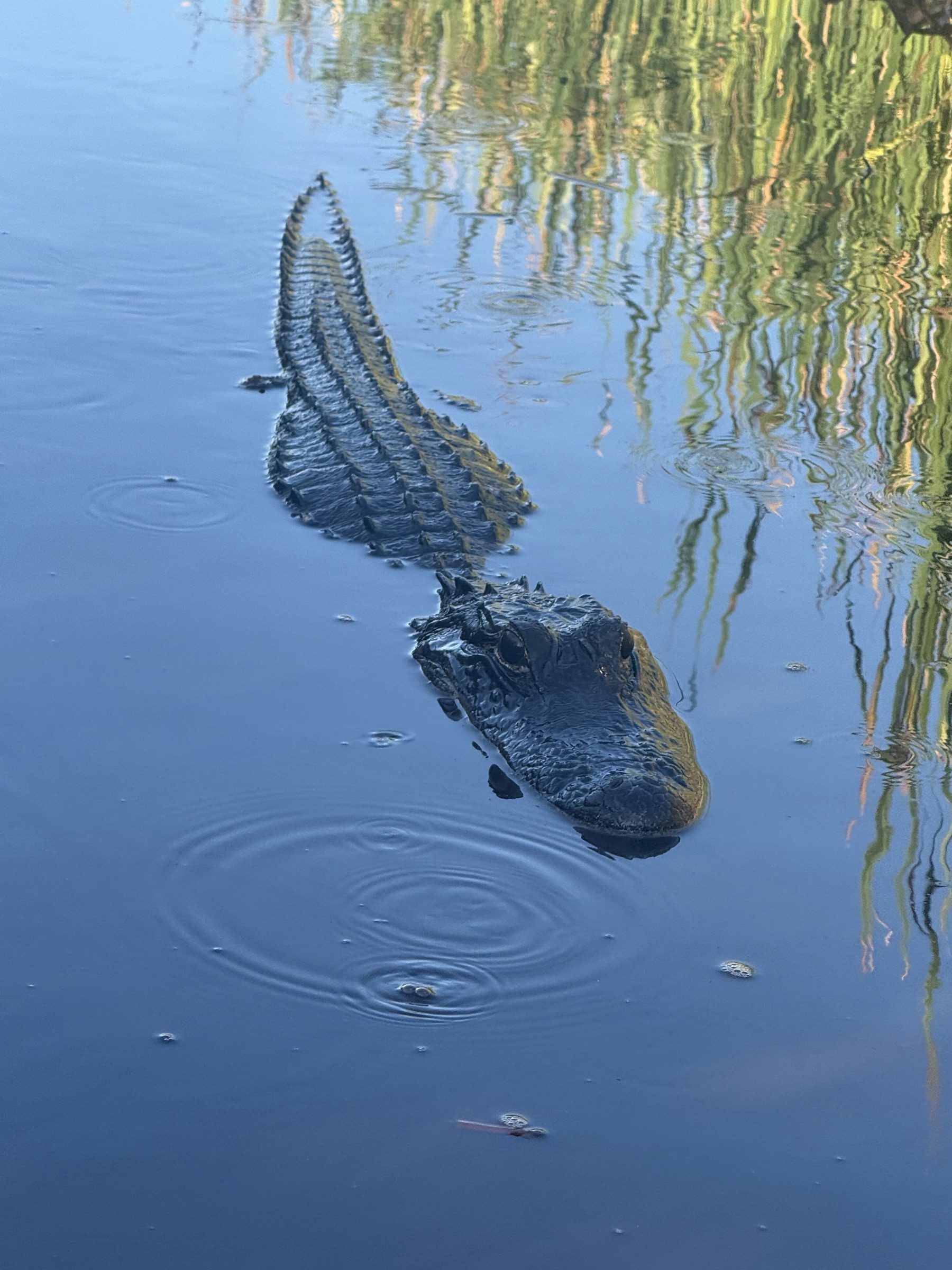
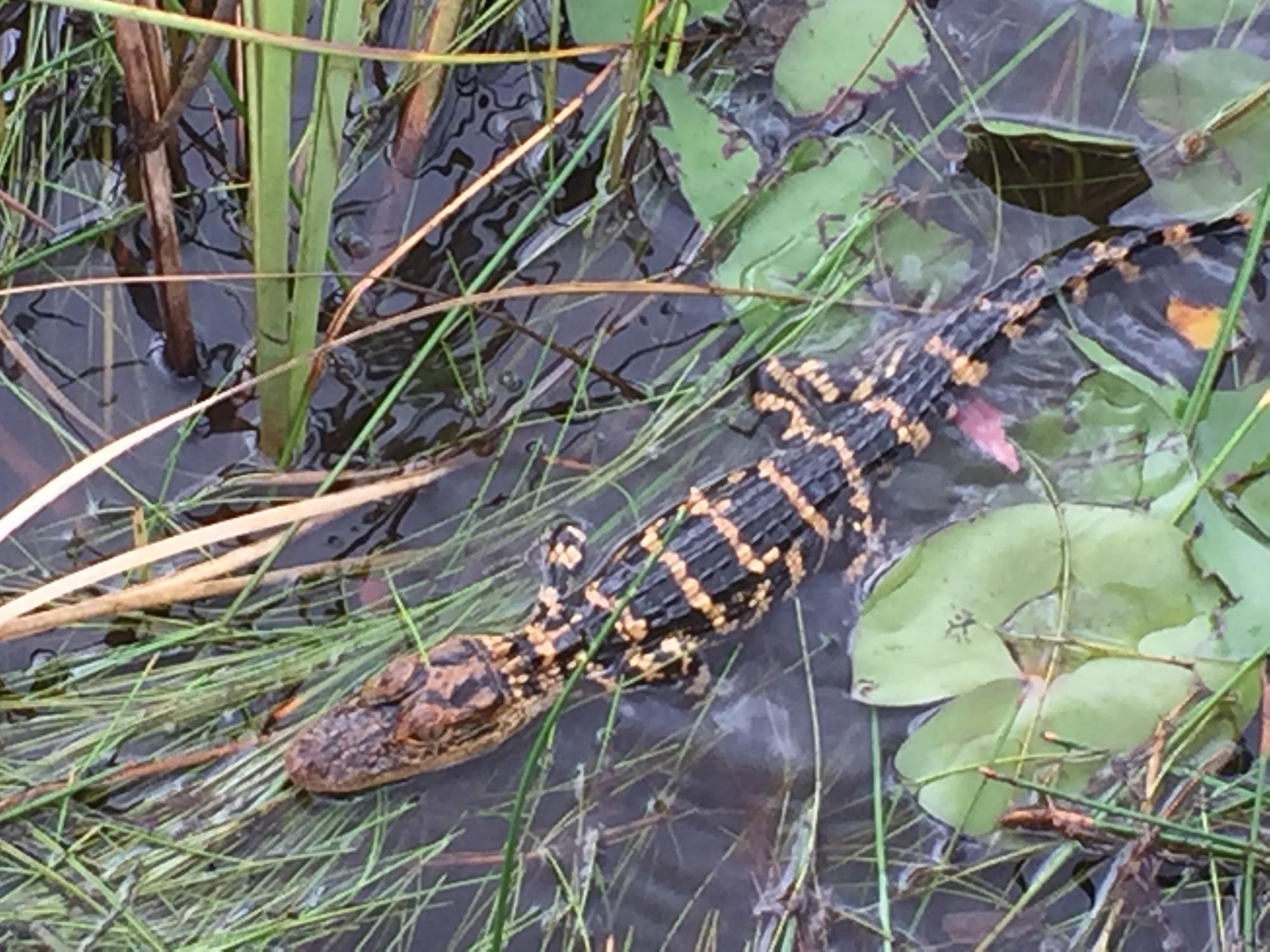
One of the best parts of fishing the Glades is everything happening around you while you fish. Alligators cruise the same holes, wading birds stalk the shallows, and otters occasionally steal the show. Many guests split their trip — an hour or two of fishing, then a wildlife-focused run across the marsh. If sightseeing is the priority for part of your group, our Everglades airboat tours can be tailored to mix fishing and touring in a single outing.
Why fish with Aces
Our captains grew up on this water and fish it year-round, so they know how the marsh shifts week to week and exactly where the bite is holding. Text or call Captain Billy at 561-660-2419 to book direct — the same crew, the same boats, start to finish. Learn more about our captains and their decades on the marsh before you book, and you'll understand why so many anglers come back to us season after season.
Frequently Asked Questions
What are the best Everglades fishing spots for beginners?
The shallow sawgrass edges and gator holes reached on an airboat fishing tour are ideal for beginners — the fish are aggressive and a local captain puts you right on them.
What fish can you catch in the Everglades?
Largemouth bass, peacock bass, bluegill, oscar, Mayan cichlid, bowfin and gar dominate the freshwater Glades, with snook and tarpon in the brackish transition zones.
Do I need a fishing license for the Everglades?
Yes, a Florida freshwater fishing license is required (and a saltwater endorsement for the brackish edges). It's quick to buy online, and we'll walk you through it when you book by calling 561-660-2419.
When is the best time to fish the Everglades?
The winter dry season (December to April) and early mornings year-round are best. Book direct with Aces to get on the water at first light.
Can I fly fish in the Everglades?
Absolutely — the shallow, fish-rich water is excellent for fly anglers chasing bass, peacocks and snook. Let us know when you book so we can plan the trip.
Why fish by airboat instead of a regular boat?
An airboat reaches shallow backcountry water no conventional boat can, dropping you on unpressured fish within minutes of the dock. It's the fastest, most productive way to fish the Glades.
“Text or call me and I’ll get you out on the water — I can’t wait to see you out in the swamp!”— Captain Billy, owner & native Everglades guide