Duck Hunting in the Everglades: Season, Rules & Guide
The complete guide to Everglades duck hunting — season dates, regulations, licenses, the birds you'll see, gear, ethics, and why an airboat is the only way to reach the best marsh.
 “Text or call me and I’ll get you out on the water — I can’t wait to see you out in the swamp!”— Captain Billy, owner & native Everglades guide
Everglades duck hunting is one of the most under-the-radar waterfowl experiences in the Southeast — miles of shallow, birdy marsh that only an airboat can reach. This complete guide breaks down how the season works, the rules and licenses you need, the birds you'll see, the gear that works, and how to hunt it safely and ethically.
When most people picture duck hunting they think of frozen northern potholes, but South Florida's River of Grass is a genuine waterfowl destination in its own right. Wintering ducks pour into the Glades by the tens of thousands, and the vast shallow marsh gives them exactly the food and cover they want. The catch — and the opportunity — is that the best water is nearly impossible to reach without the right boat. That's where a guided airboat hunt changes everything.
“Text or call me and I’ll get you out on the water — I can’t wait to see you out in the swamp!”— Captain Billy, owner & native Everglades guideWhy Everglades duck hunting is unlike anywhere else
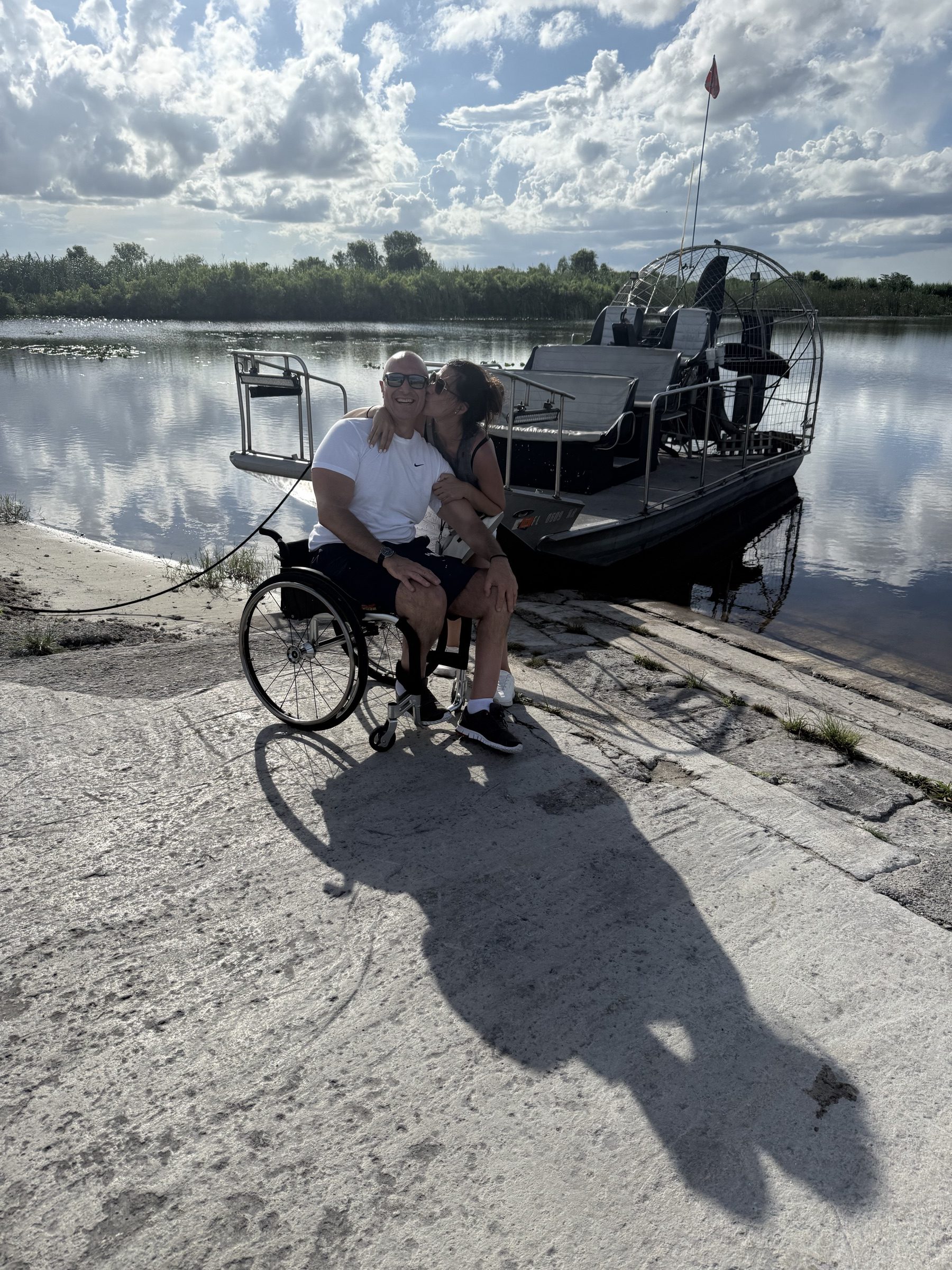
The River of Grass is a vast sheet of shallow freshwater dotted with sawgrass, lily pads and gator holes — a magnet for wintering waterfowl. The challenge is access: most of the best water sits well beyond any boat ramp. That's exactly why hunters book a guided duck hunting airboat tour. A flat-bottom airboat runs across water just inches deep, tucks into remote spreads before legal light, and gets you out fast when the hunt is done. It's the number-one must-do for any serious South Florida waterfowler.
Beyond access, the Everglades offers a hunt with genuine wildness to it. You'll share the marsh with alligators, wading birds and the occasional otter, all against a sunrise over endless sawgrass. It's a bucket-list setting that hunters from colder climates rarely expect Florida to deliver.
Season dates and how the rules work
Florida's duck season runs in split segments across the fall and winter, set annually by the FWC in line with federal migratory-bird frameworks — typically an early split around late November and a longer second split from December into late January. Because the exact dates, daily bag limits and zone boundaries change every year, always confirm the current season on the Florida Fish and Wildlife Conservation Commission site before you go. Shooting hours generally run from 30 minutes before sunrise to sunset.
Understanding zones and areas
Florida is divided into waterfowl zones, and much of the Everglades falls within specific wildlife management areas that may carry their own permits, quota systems or daily check-in requirements. Some areas run on a limited-entry basis during peak periods. This is another reason a local guide is invaluable — we hunt legal, well-scouted water and handle the area-specific rules so you're never guessing. When you book, we'll tell you exactly which area we're hunting and what it requires.
Licenses and stamps you'll need
To hunt ducks in the Everglades you'll need a Florida hunting license, a Florida waterfowl permit, a federal duck stamp, and a no-cost migratory bird (HIP) permit. Non-toxic (steel or other approved) shot is required for all waterfowl — lead is prohibited. Our team will help you sort the paperwork when you book — just call 561-660-2419 or reach out through our contact page and we'll walk you through every step so you arrive fully legal.
Ducks you'll see in the Glades
South Florida's marsh hosts a strong mix of puddle ducks and divers through the winter. Expect:
- Blue-winged & green-winged teal — fast, abundant, and a staple of early-season hunts.
- Ring-necked ducks — the workhorse diver of the Glades, often in big rafts.
- Mottled ducks — Florida's resident puddle duck, prized and locally managed.
- Northern shoveler, gadwall and wigeon — rounding out a varied bag on a good morning.
- Fulvous & black-bellied whistling ducks — distinctive tropical species that add character to a Florida hunt.
A brief on each key species
Teal are the speedsters — small, fast, and a challenge that rewards a quick, smooth swing. Ring-necks are the bread and butter of the diver hunt, decoying well to a modest spread. Mottled ducks are Florida's homegrown puddle duck, closely watched by biologists, so know your limits before you shoot. The whistling ducks, with their long necks and loud calls, are unlike anything northern hunters have seen and make for a memorable addition to the strap.
What a guided airboat hunt looks like
You'll meet your guide well before dawn, load gear, and run out under the stars to a spot scouted for the current water level and bird movement. The captain sets the spread, calls the shots on shooting light, and handles the airboat so you can focus on the hunt. This isn't a sit-and-hope operation — local knowledge is everything out here, and it's the difference between a slow morning and a limit. Meet the crew who run these trips on our captains page.
Scouting and why it matters
Ducks move constantly with weather, water level and pressure. A spot that was stacked yesterday can be empty tomorrow. Our advantage is that we're on this water year-round, watching where the birds are feeding and roosting, so we run to fresh birds rather than hunting yesterday's news. Good scouting is the least glamorous and most important part of consistent waterfowling, and it's baked into every trip we run.
Gear and gun setup for the marsh
Everglades duck hunting is a run-and-gun affair, so pack light and durable. A 12- or 20-gauge shotgun with an improved-cylinder or modified choke covers most decoying shots. Load approved non-toxic shot in #2 to #4 for the mix of teal and divers you'll face. Bring a small spread of teal and ringneck decoys, a good call, camo that matches the sawgrass and brush, and waders or knee boots for setting up. A blind bag with shells, water, bug spray and a headlamp rounds out the kit. We supply the airboat, the local knowledge and a hand with the setup — you bring your gun and your gear.
Weather, water levels and the best days
The best Everglades duck hunting often follows a cold front, when northern birds push south and wind gets them moving. Water level is the other big lever: too high and birds scatter across endless marsh, too low and access tightens. The sweet spot concentrates birds into huntable water. Overcast, breezy mornings usually beat bluebird calm days for decoying ducks. We watch all of this so we can put you on the marsh when conditions line up.
Ethics, safety and conservation
We run safe, legal, ethical hunts, full stop. That means knowing your target and what's beyond it, staying inside the daily bag limits, and never sky-busting birds out of range. Waterfowl hunting funds a huge share of wetland conservation through license and stamp dollars, and the Everglades depends on hunters who respect the resource. We pack out every shell hull, retrieve every downed bird, and leave the marsh exactly as we found it. Bring your own ethic to match and you'll fit right in with our crew.
Concealment and calling
Ducks have sharp eyes, so concealment makes or breaks a Glades hunt. We tuck the airboat into natural sawgrass and brush, break up the outline with grass matting, and keep faces and hands covered and still until it's time to shoot. Movement is the number-one thing that flares birds. Calling is more art than volume out here — a few well-timed quacks and feeding chuckles to turn a flock beat constant hail-calling every time. Your guide reads the birds' body language and tells you when to call, when to stay quiet, and when to take the shot.
Retrieving your birds
Downed birds in the marsh can drift or dive, so quick retrieval matters for both ethics and your strap. Some hunters bring a well-trained retriever that lives for this work; others rely on the airboat to run down cripples fast. Either way, we make every effort to recover every bird we knock down — leaving game in the field is neither legal nor right. The airboat's shallow reach is a real advantage here, letting us recover birds that would be lost to a wading hunter.
Cleaning and eating your ducks
Wild Everglades duck is genuinely excellent table fare when handled well. Breast the birds or pluck them whole, keep the meat cold, and don't overcook it — duck breast is best served medium-rare, seared hot and rested. Teal and ringnecks are mild and delicious; a simple pan-sear with salt, pepper and a pat of butter lets the flavor shine. Turning your own harvest into a great meal is one of the most satisfying parts of the whole waterfowling tradition, and a fitting end to a morning on the marsh.
Tips for first-time waterfowlers
New to duck hunting? A few pointers: pattern your shotgun before the season so you know your effective range, practice mounting the gun smoothly, and resist the urge to shoot at birds that are too high or too far. Dress in layers you can shed as the morning warms, and bring more shells than you think you'll need. Most of all, listen to your guide — the fastest way to learn waterfowling is a morning in the marsh with someone who's done it thousands of times.
A brief history of Glades waterfowling
Hunting has deep roots in the Everglades. For generations, Gladesmen poled and later ran airboats across this marsh to hunt, fish and trap, and that heritage shaped the culture and the boats we still use today. Modern regulations have replaced the market-hunting free-for-all of a century ago with a carefully managed, sustainable season — a conservation success story funded largely by hunters themselves. When you hunt here, you're taking part in a tradition as old as South Florida.
What non-hunting companions can do
Bringing family or friends who don't hunt? They can still enjoy the trip. Many come along for the sunrise airboat run and the wildlife, then relax while the hunt is on, or book a separate daytime wildlife tour. It's a great way to share the experience of the marsh without everyone needing a shotgun, and the Everglades at dawn is worth seeing whether or not you're carrying a gun.
Combine your hunt with a scouting ride
Many hunters book a daytime Everglades airboat tour a day early to scout water levels and bird movement before the hunt. It's a smart, low-pressure way to learn the marsh, and it doubles as a fun outing for non-hunting family members who came along for the trip. Ask us about pairing the two when you call.
Booking, access and getting there
Trips are weather- and water-dependent, so we keep groups small and book direct by text or call with Captain Billy. Find the launch nearest you on our pickup locations page. Spots for prime post-front mornings go fast, so reserve early and let us handle the scouting, the setup and the area rules while you focus on shooting straight.
Frequently Asked Questions
When is duck hunting season in the Everglades?
Florida duck season runs in split segments from roughly late November through late January, set yearly by the FWC. Confirm current dates before you book, then call Aces at 561-660-2419.
Do I need a special license for Everglades duck hunting?
Yes — a Florida hunting license, waterfowl permit, federal duck stamp, and a HIP permit. Non-toxic shot is required. We'll help you sort it all when you book a guided hunt.
Why hunt ducks by airboat?
An airboat is the only practical way to reach the shallow interior marsh where the birds concentrate. It gets you set up before legal light and out quickly afterward.
What ducks can you shoot in the Everglades?
Common species include blue- and green-winged teal, ring-necked ducks, mottled ducks, shoveler, gadwall, wigeon and whistling ducks, subject to current bag limits.
What's the best weather for a duck hunt?
The mornings after a cold front, with wind and overcast skies, produce the best decoying action. We monitor conditions to book you on the right days.
Can beginners book a guided duck hunt?
Yes. Our guides handle the boat, the spread and the area rules, making it a great option for newer waterfowlers. Call 561-660-2419 to plan your trip.
“Text or call me and I’ll get you out on the water — I can’t wait to see you out in the swamp!”— Captain Billy, owner & native Everglades guide