Everglades Wildlife Guide: Animals You'll See on an Airboat Tour
The complete field guide to Everglades wildlife — the alligators, birds, reptiles, mammals and fish you'll spot on an airboat tour, from a native South Florida crew.
 “Text or call me and I’ll get you out on the water — I can’t wait to see you out in the swamp!”— Captain Billy, owner & native Everglades guide
The Everglades wildlife you'll encounter on a single airboat ride is unlike anywhere else on earth — a whole living ecosystem of alligators, wading birds and stranger creatures. This complete field guide covers what you'll actually see out there, season by season and species by species.
The Everglades is the only place on the planet where this exact community of animals comes together, and it's earned status as a UNESCO World Heritage Site and International Biosphere Reserve for good reason. On an airboat you sit right at water level in the middle of it all — close enough to hear a heron's wingbeats and watch a gator's eyes track the boat. Here's your guide to the cast of characters.
“Text or call me and I’ll get you out on the water — I can’t wait to see you out in the swamp!”— Captain Billy, owner & native Everglades guideAmerican alligator — the star of Everglades wildlife
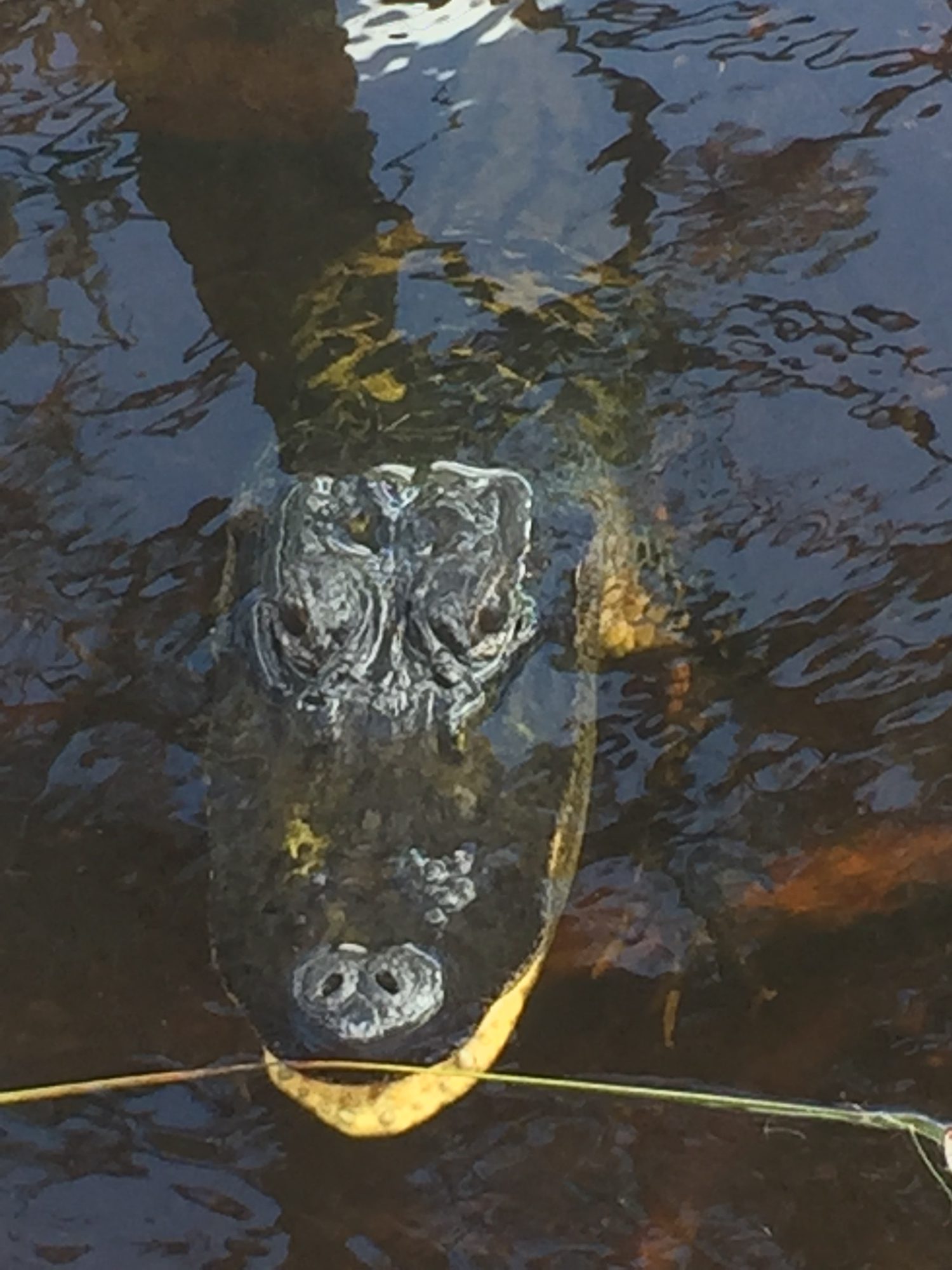
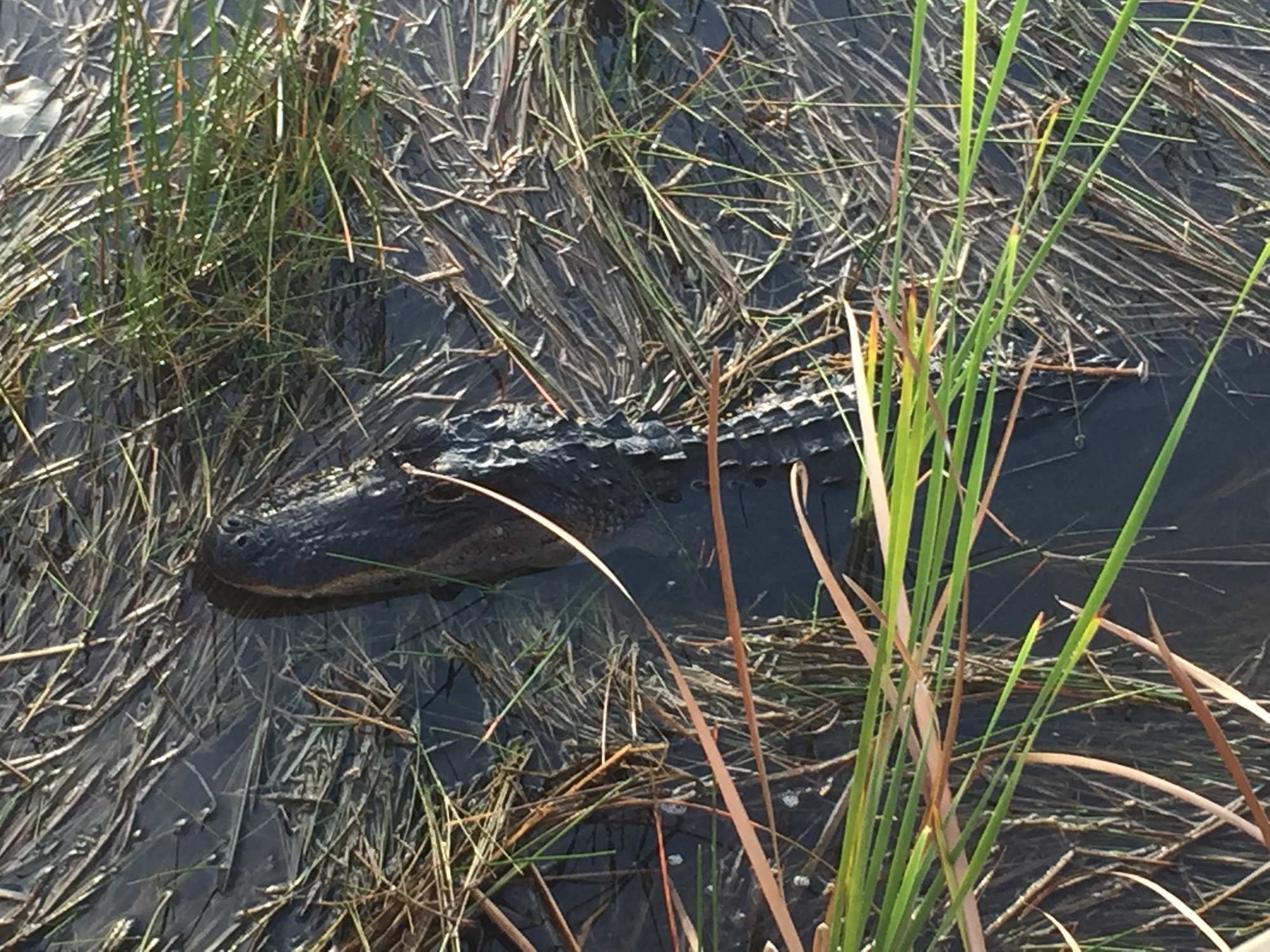
No animal defines Everglades wildlife like the American alligator. These prehistoric predators bask along trail edges, cruise the gator holes and are almost guaranteed on any trip. Seeing one in the wild, up close, is the number-one must-do reason people book an Everglades airboat tour — and our captains know exactly where they hide. Browse real guest shots in our photo gallery.
Alligators are ecosystem engineers: the 'gator holes' they dig hold water through the dry season and become lifeboats for fish, turtles and birds when the marsh shrinks. Adults can top twelve feet, but you'll see everything from hatchlings to giants. Watch for them basking with jaws open to regulate temperature, or floating like logs with just eyes and nostrils breaking the surface.
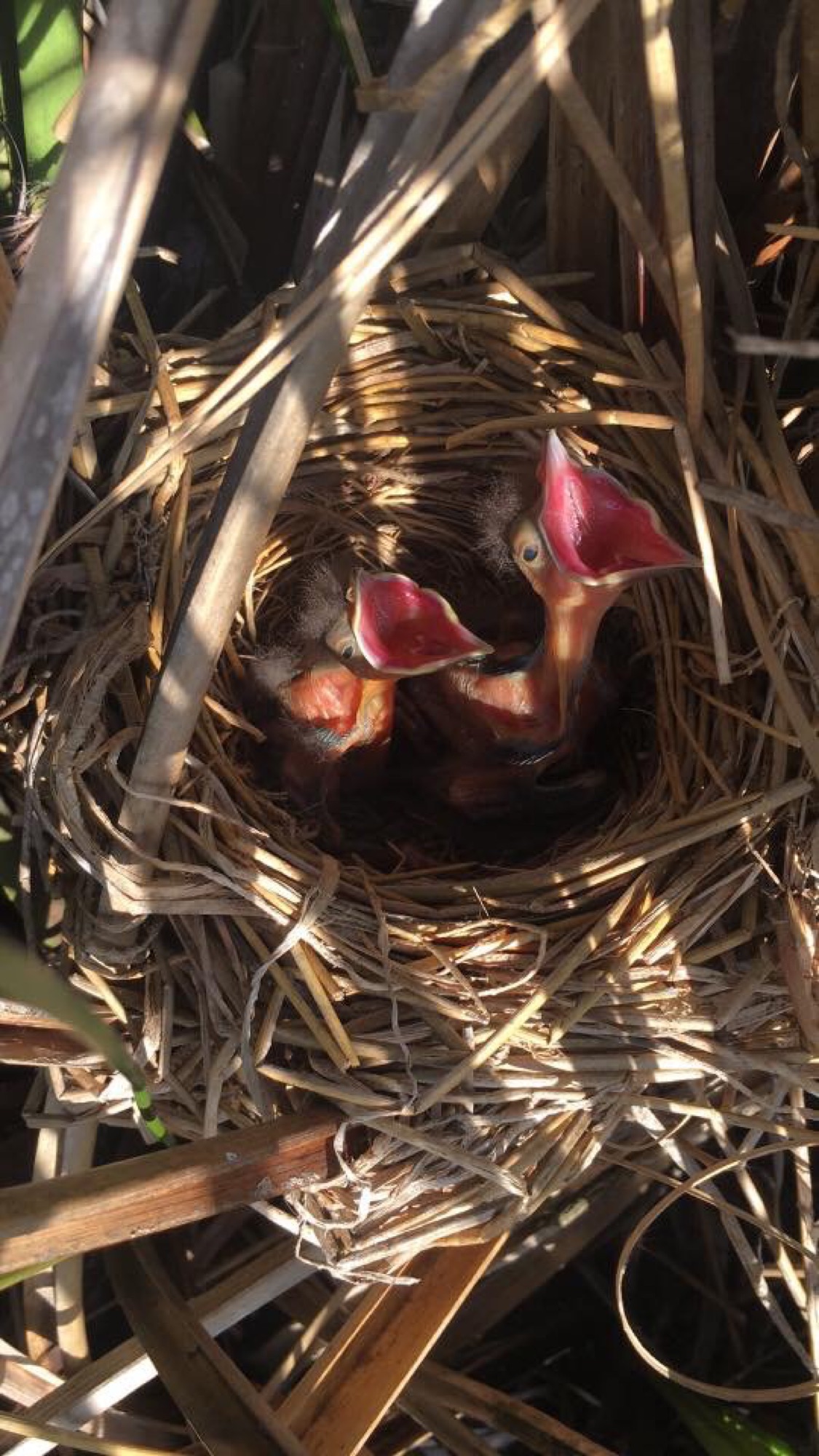
Wading birds
The Glades is a birder's paradise. On a typical ride you'll spot:
- Great blue heron & great egret — statuesque hunters stalking the shallows.
- Roseate spoonbill — the flamingo-pink showstopper everyone hopes to see.
- Anhinga — the 'snake bird' drying its wings on a snag.
- White ibis & wood stork — often in big, photogenic flocks.
- Tricolored & little blue herons — smaller, elegant waders working the edges.
Serious birders should look at our nature tours, which slow the pace for better viewing.
Birds of prey and the rare snail kite
Look up and you'll often find raptors. Ospreys plunge for fish, red-shouldered hawks call from tree islands, and bald eagles nest in the region. The star for birders, though, is the endangered snail kite — a specialist that feeds almost entirely on apple snails and is found in only a handful of places in the U.S. Spotting one is a genuine badge of honor and a reminder of how unique this ecosystem really is.
Turtles, snakes and other reptiles
Beyond gators, keep an eye out for Florida softshell and red-bellied turtles sunning on logs, harmless water snakes along the banks, and the occasional green tree frog. The invasive Burmese python also lives out here, though they're shy and rarely seen from a boat. On the coastal fringes, the American crocodile — rarer than the gator and with a narrower snout — makes the Everglades the only place the two species overlap.
Mammals of the marsh
Mammals are harder to spot but present — raccoons and river otters work the edges, marsh rabbits dart through the sawgrass, and lucky guests occasionally glimpse a white-tailed deer. The endangered Florida panther roams the wider Glades, though sightings are extraordinarily rare. Manatees drift into the coastal creeks and warm-water areas in the cooler months, another highlight for the observant.
Fish and the food web
Under the surface, largemouth bass, gar, bluegill and exotic cichlids feed the whole system — they're what draw the birds and gators in the first place. Mosquitofish and tiny killifish form the base, feeding everything larger. It's a full food web on display, and understanding it makes the ride that much richer. When the dry season shrinks the water, that food web compresses into the gator holes, creating some of the most concentrated wildlife viewing anywhere.
Insects, butterflies and the small stuff
Not all Everglades wildlife is big and toothy. Zebra longwing butterflies (Florida's state butterfly) drift through hammock edges, dragonflies patrol the water in summer, and yes — mosquitoes rule the marsh in the wet season, which is exactly why a fast-moving airboat is the most comfortable way to explore. Look closely and you'll notice apple snails clinging to the sawgrass — the sole food of that rare snail kite, and proof that even the smallest creatures hold the whole system together.
Wildlife by season
The Glades changes character through the year. In the winter dry season (December through April), receding water crowds fish, gators and wading birds into shrinking pools — the easiest, most spectacular viewing of the year. The summer wet season spreads animals out but brings dramatic nesting activity, baby alligators, and lush green scenery. Spring and fall are transition seasons with migrating birds passing through. There's genuinely no bad time to see Everglades wildlife; each season simply offers a different show.
Best time of day for sightings
Animals are most active at the cooler ends of the day. Early morning is prime — gators are moving, birds are feeding, and the light is soft and golden. Late afternoon into sunset is a close second and spectacular for photography. Midday heat pushes wildlife into shade and cover, so we steer first-timers toward morning rides for the best chance at a full cast of characters.
Invasive species and the Everglades' fight to stay wild
Part of understanding Everglades wildlife today means knowing what threatens it. Burmese pythons, released or escaped from the pet trade, have decimated small-mammal populations in parts of the Glades. Invasive iguanas, tegus and exotic fish also compete with natives. Scientists, hunters and conservationists are all working to manage these newcomers. It's a sobering reminder that this ecosystem is fragile — and a big reason responsible operators and visitors matter so much to its future.
Baby alligators and nesting season
Late summer brings one of the marsh's sweetest sights: baby alligators. Females build mounded nests of vegetation, guard them fiercely, and later respond to the high-pitched calls of their hatchlings — surprisingly attentive parenting for a reptile. You may spot pods of foot-long babies with their bright yellow banding sunning near mom. Give nesting females plenty of space; a protective mother gator is one animal you admire strictly from a distance.
The role of sawgrass and tree islands
Wildlife doesn't exist without habitat, and the Glades' signature sawgrass prairie and scattered tree islands (called hammocks) are the stage for everything you'll see. Sawgrass shelters fish and nesting birds; hardwood hammocks give deer, raccoons and countless birds high, dry ground and shade. Understanding this landscape helps you spot animals — learn to scan the edges where habitats meet, because that's where life concentrates.
Amphibians and the sounds of the marsh
Close your eyes on the water and the Everglades comes alive with sound. Pig frogs grunt (yes, they sound like pigs), green tree frogs and cricket frogs chorus after rain, and the whole marsh hums with insects. These amphibians are both prey and pollution barometers — sensitive to changes in water quality, they tell scientists a lot about the ecosystem's health. The soundtrack alone is worth slowing down for.
Where the Everglades meets the sea
Follow the freshwater south and it merges with a vast mangrove coast, one of the largest in the hemisphere. Here the wildlife shifts: crocodiles, bottlenose dolphins, manatees, tarpon and snook, plus roseate spoonbills and pelicans working the tidal flats. This transition zone is among the most biologically rich parts of the whole system, blending freshwater and marine life in a way found almost nowhere else.
Photographing the wildlife
Bring a camera — the Glades is endlessly photogenic. A zoom lens helps with distant birds, a fast shutter freezes motion from the moving boat, and golden-hour light flatters everything. Even a phone captures great shots when you lock exposure and shoot in bursts. Whatever you carry, take a few minutes to just watch, too; some of the best wildlife moments are the ones you experience rather than photograph.
How to watch wildlife responsibly
Seeing animals in the wild comes with responsibility. We never feed wildlife (it's illegal and dangerous for the animals), we keep a respectful distance from nests and basking gators, and we keep noise down around sensitive areas. This isn't a zoo — it's a living wilderness, and the reason it stays so rich is that responsible operators tread lightly. Our captains model exactly how to enjoy the marsh without disturbing it.
Are the animals dangerous?
The Everglades is wild, but a guided airboat tour is very safe. You view alligators, snakes and other wildlife from the boat, and our captains keep a respectful distance from anything that warrants it. Alligators generally want nothing to do with people and will move off on their own. The real rules are simple: never feed wildlife, keep hands and arms inside the boat, and follow your captain's guidance. Do that and the only thing you'll take home is great photos and better stories.
Wildlife you probably won't see (and why that's good)
Some Everglades residents are so rare or elusive that sightings are a genuine long shot — the Florida panther, the ghostly snail kite in some areas, and healthy numbers of certain declining wading birds. Their rarity is a reminder that this ecosystem faces real pressures from development, water management and invasive species. Every responsible visit, and every dollar that supports conservation-minded tourism, helps keep these species hanging on. Seeing the common species thrive is itself a sign of a system worth protecting.
The Everglades through the day
The marsh puts on a different show hour by hour. At dawn, mist rises off the water, gators warm themselves, and birds start their noisy morning feed. Midday, the heat pushes many animals into shade and the light goes harsh. Late afternoon brings a second surge of activity, and at sunset the sky ignites while the nocturnal shift — frogs, owls and hunting gators — takes over. This daily rhythm is why timing your tour matters so much for the Everglades wildlife you'll see.
How our captains find the wildlife
Spotting Everglades wildlife consistently is a skill built over years on the water. Our captains know which gator holes hold big bulls, where the wading birds are feeding this week, and how the changing water level shifts everything. They read subtle cues — a ripple, a bird's alarm call, a shape in the grass — that visitors would never notice. That local knowledge is exactly why a guided airboat tour reveals so much more than wandering a boardwalk on your own.
How to see the most wildlife
Timing is everything. Early morning and late afternoon are peak activity windows, and the winter dry season concentrates animals around shrinking water. A knowledgeable captain reads the marsh and puts you on wildlife you'd never find alone — it's the difference between a boat ride and a genuine safari. Check pickup locations to find your closest launch, and call 561-660-2419 to book the first ride of the day.
Frequently Asked Questions
What Everglades wildlife will I see on an airboat tour?
Wild alligators are nearly guaranteed, along with wading birds like herons, egrets and ibis, plus turtles and the occasional otter. Book an airboat tour to see it up close.
Are you guaranteed to see alligators?
Sightings are extremely reliable year-round — gators are the star of Everglades wildlife and our captains know where they gather.
What is the best time to see Everglades wildlife?
Early morning and late afternoon are best, and the winter dry season concentrates animals. Call 561-660-2419 to book a first-light ride.
Is Everglades wildlife dangerous to see up close?
Airboat tours are safe — you view wildlife from the boat with an experienced captain. Our nature tours keep a respectful distance.
Can I see crocodiles in the Everglades?
Yes — the Everglades is the only place American alligators and crocodiles coexist. Crocs favor the brackish coastal fringes and are rarer than gators.
Are there manatees or panthers in the Everglades?
Manatees enter coastal creeks in cooler months. The endangered Florida panther roams the wider Glades but is extremely rarely seen.
“Text or call me and I’ll get you out on the water — I can’t wait to see you out in the swamp!”— Captain Billy, owner & native Everglades guide